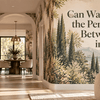


How to Select Wallpaper That Matches Your Home's Architecture

Wallpaper has the power to transform a room, but the most successful interiors aren't built around wallpaper alone. Professional designers understand that wallpaper should work in harmony with a home's architectural style, enhancing its unique character rather than competing with it.
Whether your home features clean modern lines, timeless traditional details, or a blend of contemporary and classic influences, selecting wallpaper that complements the architecture creates a more balanced and cohesive interior.
At AdaWall, we believe the best wallpaper doesn't simply decorate a wall—it becomes part of the home's design story. By understanding how architecture influences color, texture, pattern, and proportion, you can choose wallcoverings that feel intentional, elegant, and built to last.
Why Architecture Should Guide Your Wallpaper Choice
Every home has a distinct architectural language.
Ceiling height, window placement, moldings, flooring, and structural details all contribute to the overall personality of a space. Wallpaper should enhance these features rather than distract from them.
When wallpaper complements the architecture, it can:
- Highlight beautiful architectural details
- Create visual balance throughout the room
- Strengthen the home's overall design identity
- Make interiors feel professionally designed
- Increase long-term decorating flexibility
Instead of treating wallpaper as an afterthought, consider it an extension of your home's architecture.
Identify Your Home's Architectural Style
Before comparing wallpaper collections, take a step back and identify the architectural style of your home.
Understanding its defining characteristics makes it much easier to choose wallcoverings that feel natural and cohesive.
Modern Homes
Modern architecture emphasizes simplicity, open layouts, clean lines, and minimal ornamentation.
Wallpaper that complements modern homes typically includes:
- Linen-inspired textures
- Soft geometric patterns
- Neutral color palettes
- Subtle embossed finishes
These understated designs add warmth and depth while preserving the clean aesthetic that defines modern interiors.
Contemporary Homes
Contemporary architecture often combines natural materials, expansive windows, and open living spaces.
Look for wallpaper that features:
- Organic textures
- Nature-inspired patterns
- Warm greige and stone tones
- Refined matte finishes
These styles reinforce the connection between indoor and outdoor spaces while creating a sophisticated atmosphere.
Traditional Homes
Traditional architecture is known for decorative moldings, detailed trim, elegant staircases, and classic proportions.
Wallpaper with timeless character complements these features beautifully.
Popular choices include:
- Elegant embossed wallpaper
- Damask-inspired textures
- Subtle botanical motifs
- Soft classic patterns
- Warm neutral tones
Rather than overpowering architectural details, these designs help them stand out.
Transitional Homes
Many homes today blend traditional and contemporary elements.
This transitional style offers remarkable flexibility.
Textured wallpaper in neutral shades bridges both worlds, allowing classic architectural details and modern furnishings to coexist effortlessly.
Let Architectural Features Inspire Your Choices
Rather than selecting wallpaper independently, look closely at the architectural elements already present in your home.
Consider:
Ceiling Height
Rooms with high ceilings can comfortably accommodate richer textures and larger-scale patterns.
Lower ceilings often benefit from lighter colors and more delicate textures that help create an open feeling.
Windows
Large windows allow natural light to interact beautifully with embossed wallpaper and textured finishes.
In rooms with limited daylight, lighter wallcoverings help reflect available light and brighten the space.
Moldings and Trim
Detailed trim naturally frames wallpaper.
Subtle textures often highlight architectural details more effectively than busy patterns.
The goal is to let wallpaper complement—not compete with—the craftsmanship already built into the home.
Choose Colors That Support the Architecture
Professional designers rarely choose wallpaper colors in isolation.
Instead, they consider permanent architectural finishes such as:
- Hardwood flooring
- Stone fireplaces
- Cabinetry
- Built-in shelving
- Ceiling beams
- Window frames
Wallpaper should create harmony with these elements rather than introducing unnecessary contrast.
Neutral shades including ivory, warm white, greige, taupe, sand, and soft stone remain timeless because they complement a wide variety of architectural materials.
Texture Creates Architectural Depth
Texture is often more important than pattern when working with architecture.
Embossed wallpaper catches natural light and creates subtle shadows that emphasize wall surfaces without overwhelming the room.
Linen-inspired textures add warmth while maintaining clean, sophisticated lines.
These finishes create depth that paint alone cannot achieve, making architecture feel richer and more dimensional.
Think About Scale and Proportion
One of the most overlooked aspects of wallpaper selection is proportion.
Professional designers always evaluate pattern size in relation to the room itself.
For example:
- Spacious rooms can comfortably accommodate larger-scale designs.
- Smaller rooms often feel more balanced with subtle textures or finer patterns.
- Feature walls should complement the room's architecture rather than dominate it.
Maintaining proper scale helps wallpaper feel integrated into the home's design instead of appearing visually disconnected.
Common Mistakes When Matching Wallpaper to Architecture
Even beautiful wallpaper can feel out of place if it doesn't respect the architectural character of the home. Professional designers avoid this by treating wallpaper as part of the overall design—not as a separate decorative element.
Here are some of the most common mistakes homeowners make.
Ignoring the Home's Original Character
Every home tells a story through its architecture.
Installing wallpaper that clashes with that character can make a room feel disconnected. For example, an ultra-modern graphic print may look out of place in a home with ornate moldings and traditional craftsmanship, while a heavily decorative pattern may overwhelm a sleek contemporary interior.
The goal is to enhance the architecture, not compete with it.
Choosing Wallpaper Before Considering Permanent Features
Furniture can change over time, but architectural elements usually remain.
Before selecting wallpaper, consider features such as:
-
Flooring
-
Cabinetry
-
Built-in shelving
-
Fireplace surrounds
-
Window frames
-
Ceiling details
Wallpaper should complement these permanent materials to create a cohesive interior.
Overlooking Texture
Many homeowners focus only on color and pattern.
Professional designers know that texture often has the greatest impact.
Embossed wallpaper and refined textured wallcoverings introduce depth, warmth, and sophistication while allowing architectural details to remain the focal point.
Ignoring Scale
Large patterns in a compact room can make the space feel crowded.
Very small patterns in a grand room may lose their visual impact.
Matching the scale of the wallpaper to the proportions of the room creates balance and allows the architecture to shine.
Create Harmony Throughout Your Home
The most elegant homes feel connected from one room to the next.
Rather than using completely unrelated wallpaper styles, designers often select collections that share similar textures, finishes, or color palettes.
For example:
-
A linen-inspired wallpaper in the hallway
-
A refined embossed texture in the dining room
-
A subtle geometric design in the home office
-
A calming neutral wallpaper in the bedroom
Each room develops its own personality while contributing to a cohesive design throughout the home.
This sense of continuity creates a polished, professionally designed atmosphere.
Why Premium Wallpaper Complements Quality Architecture
Beautiful architecture deserves equally beautiful finishes.
Premium wallpaper enhances architectural details through superior craftsmanship, refined textures, and lasting performance.
Compared with lower-quality alternatives, premium wallcoverings typically offer:
-
Rich embossed finishes
-
Exceptional material quality
-
Better color consistency
-
Greater durability
-
Sophisticated textures
-
Timeless designs that complement a wide range of architectural styles
When paired with thoughtful design, premium wallpaper becomes an extension of the home's craftsmanship rather than simply a decorative surface.
Why Homeowners Choose AdaWall
At AdaWall, we design wallpaper with both architecture and everyday living in mind.
Our premium collections feature elegant embossed finishes, sophisticated textures, and carefully curated color palettes that complement homes ranging from modern and contemporary to classic and transitional.
Whether you're highlighting architectural details, creating a feature wall, or designing a cohesive interior throughout your home, AdaWall offers wallcoverings that combine timeless aesthetics with exceptional quality.
The result is wallpaper that feels naturally integrated into your home's design while providing lasting beauty for years to come.
Frequently Asked Questions
Why should wallpaper match a home's architecture?
Wallpaper that complements your home's architectural style creates a more balanced, cohesive interior and highlights existing design features rather than competing with them.
What wallpaper works best in modern homes?
Modern homes often benefit from linen-inspired textures, subtle geometric patterns, embossed finishes, and neutral color palettes that enhance clean architectural lines.
Can traditional homes use contemporary wallpaper?
Yes. Many contemporary wallpapers feature understated textures and timeless colors that blend beautifully with traditional architectural details when chosen thoughtfully.
Does texture matter more than pattern?
In many cases, yes. Texture adds depth and visual interest while preserving the architectural character of the room, making it one of the most versatile design elements.
Is premium wallpaper worth the investment?
Absolutely. Premium wallpaper offers superior materials, refined finishes, enhanced durability, and timeless designs that complement quality architecture and provide long-term value.
Final Thoughts
Choosing wallpaper that matches your home's architecture is one of the most effective ways to create interiors that feel balanced, elegant, and timeless. Rather than selecting wallpaper based solely on current trends, consider how it interacts with the permanent features that define your home—its proportions, materials, natural light, and architectural details.
Subtle textures, neutral color palettes, and thoughtfully scaled patterns can enhance everything from sleek modern spaces to classic traditional homes, creating rooms that feel cohesive and professionally designed.
At AdaWall, our premium wallpaper collections are crafted to complement a wide range of architectural styles through exceptional craftsmanship, sophisticated textures, and timeless design. Whether you're updating a single room or transforming your entire home, choosing wallpaper that works in harmony with your architecture will help you create spaces that remain beautiful for years to come.